Starting a Box Truck Business Without a CDL
The appeal is obvious: no CDL, lower entry cost, local work. The part that catches people is that almost everything else in the federal rulebook still applies to you.
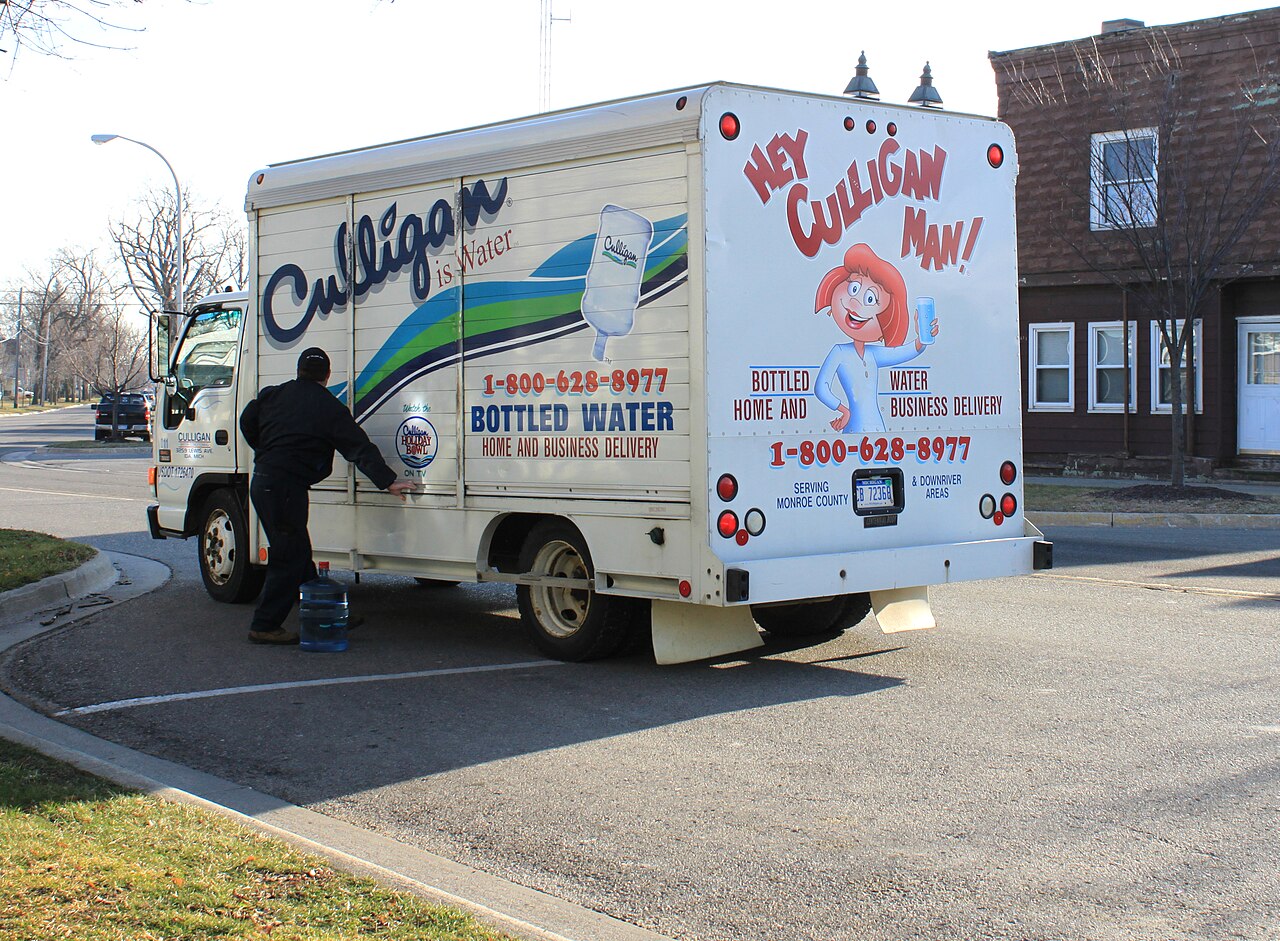

Why 26,000 pounds is the number you keep seeing
Under 49 CFR § 383.91, a Class B CDL is required for a single vehicle rated 26,001 pounds or more. That is why box trucks are so often sold rated at exactly 25,999 or 26,000 pounds: one pound below the line, and no CDL is required to drive it.
This is entirely legitimate. It is also where most people stop reading, and that is the problem.
The federal safety regulations do not use the CDL threshold. They attach at 10,001 pounds GVWR in interstate commerce — less than half. A 26,000-pound box truck is comfortably over that line, so the rulebook applies to you in full even though your licence does not change.
What applies to a 26,000-pound box truck in interstate commerce
- A USDOT number. Required at 10,001 pounds and above.
- Operating authority, if you haul regulated freight for hire across state lines.
- Hours of service and records of duty status. The 11-hour and 14-hour limits apply to you. See hours of service explained.
- A driver qualification file for every driver, including yourself. See what goes in it.
- Drug and alcohol testing. This one has a catch, below.
- Systematic inspection, repair and maintenance, with records, plus the annual inspection.
- Insurance at the federal minimum for your operation, filed with FMCSA.
The drug and alcohol testing catch
Federal drug and alcohol testing under Part 382 applies to drivers who are required to hold a CDL. If your truck is under 26,001 pounds and no CDL is required, that testing programme generally does not apply to you.
Two caveats before you take that as good news. First, it changes the moment you put anyone in a vehicle that does require a CDL. Second, many shippers, brokers and insurers require a testing programme contractually whether or not the regulation does. Read what you are signing.
What the short-haul exception is worth to you
If you operate within a 150 air-mile radius of your reporting location and return within 14 consecutive hours, the short-haul exception may free you from keeping records of duty status — and in practice from needing an ELD. Box truck work is often local, so this is one of the few places where the smaller operation genuinely gets an easier ride.
It is an all-or-nothing test for each day. Go past the radius or past the 14 hours once, and that day needs a full record of duty status.
The business, honestly
Box truck work splits into three quite different businesses, and they are not interchangeable:
| Model | What it involves | The catch |
|---|---|---|
| Contracted local delivery | Regular routes for a single customer, predictable volume | One customer means one point of failure, and rates set by them |
| Freight off the load boards | Straight-truck loads, LTL and partials | You compete against tractors on rate, with less payload to spread costs over |
| Moving and household goods | Higher revenue per job, direct customers | Household goods carriage has its own federal registration and consumer protection requirements — it is a different authority, not a variation |
That third row matters. Interstate household goods moving is regulated separately, with its own registration, its own disclosure obligations toward the customer, and a complaint history that FMCSA takes seriously. Do not drift into it because someone asked you to move their sofa across a state line.
The arithmetic nobody does first
A box truck has lower fixed costs than a tractor and lower revenue per mile. Whether that is a better business depends on utilisation, and utilisation in local work is measured in stops per day rather than miles.
Before buying anything, work out your cost per mile at a realistic annual mileage — local operations often run far fewer miles than people assume, which spreads the same insurance and payment over a smaller base. Our cost per mile calculator shows what that does to your break-even, and compares it against ATRI's published industry figures.
The failure mode is specific and common: buying the truck for the payment you can afford, then discovering the work available in your area does not generate enough miles or stops to cover it.
Frequently asked questions
Do I need a CDL for a 26,000-pound box truck?
No. A Class B CDL is required at 26,001 pounds GVWR and above, so a truck rated at 26,000 or below does not require one.
Do I still need a USDOT number?
Yes, if you operate in interstate commerce at 10,001 pounds GVWR or more. That includes essentially every box truck.
Do I need to keep logs?
Yes, unless the short-haul exception applies on that day: within 150 air miles of your reporting location and back within 14 consecutive hours.
Do I need drug and alcohol testing?
The federal programme applies to drivers required to hold a CDL. Below the CDL threshold it generally does not apply, but customers and insurers frequently require it by contract.
Related
Sources
- 49 CFR § 383.91 — Commercial motor vehicle groups.
- Do I need a USDOT number? — FMCSA.
- Summary of Hours of Service Regulations — FMCSA.
General information, not legal advice. Regulations change; confirm current requirements with the agency before acting.